





You spent money to bring a shopper to your store. They browsed, liked a product, and added it to the cart. Then, at the last moment, they vanished without buying anything. That “so close” feeling stings every single Shopify merchant. Shopify cart abandonment is that silent, daily leak in your revenue.
You are not alone in this, and the numbers prove it. Baymard Institute research puts average cart abandonment near 70.22% in 2026. That means seven of every ten carts slip away unbought. The good news is that most of this loss is preventable. This guide shows how to reduce Shopify cart abandonment and recover more sales.
Key Takeaways
- Shopify cart abandonment averages 70.22%, but most of it is preventable.
- Use the cart abandonment rate formula to measure your true leak.
- Extra costs and slow delivery are top, fixable reasons shoppers leave.
- Set clear delivery dates early to remove a major doubt.
- Prevention and recovery together reduce abandoned carts on Shopify.
- Use discounts selectively to protect your margin and trust.
- Track recovered revenue and margin, not just email opens.
What Counts as Shopify Cart Abandonment?
First, let us clear up two terms people often confuse. Cart abandonment happens when a shopper adds items but never starts checkout. Checkout abandonment happens after they start checkout but do not pay. Shopify logs an abandoned checkout once contact details are entered but unused. Knowing the difference helps you fix the right stage.
This matters for a very practical reason too. Shopify can only email shoppers who left contact details behind. An anonymous visitor who leaves early cannot be reached directly. So prevention matters even more than recovery for those shoppers. You reduce Shopify cart abandonment best by fixing both stages together.
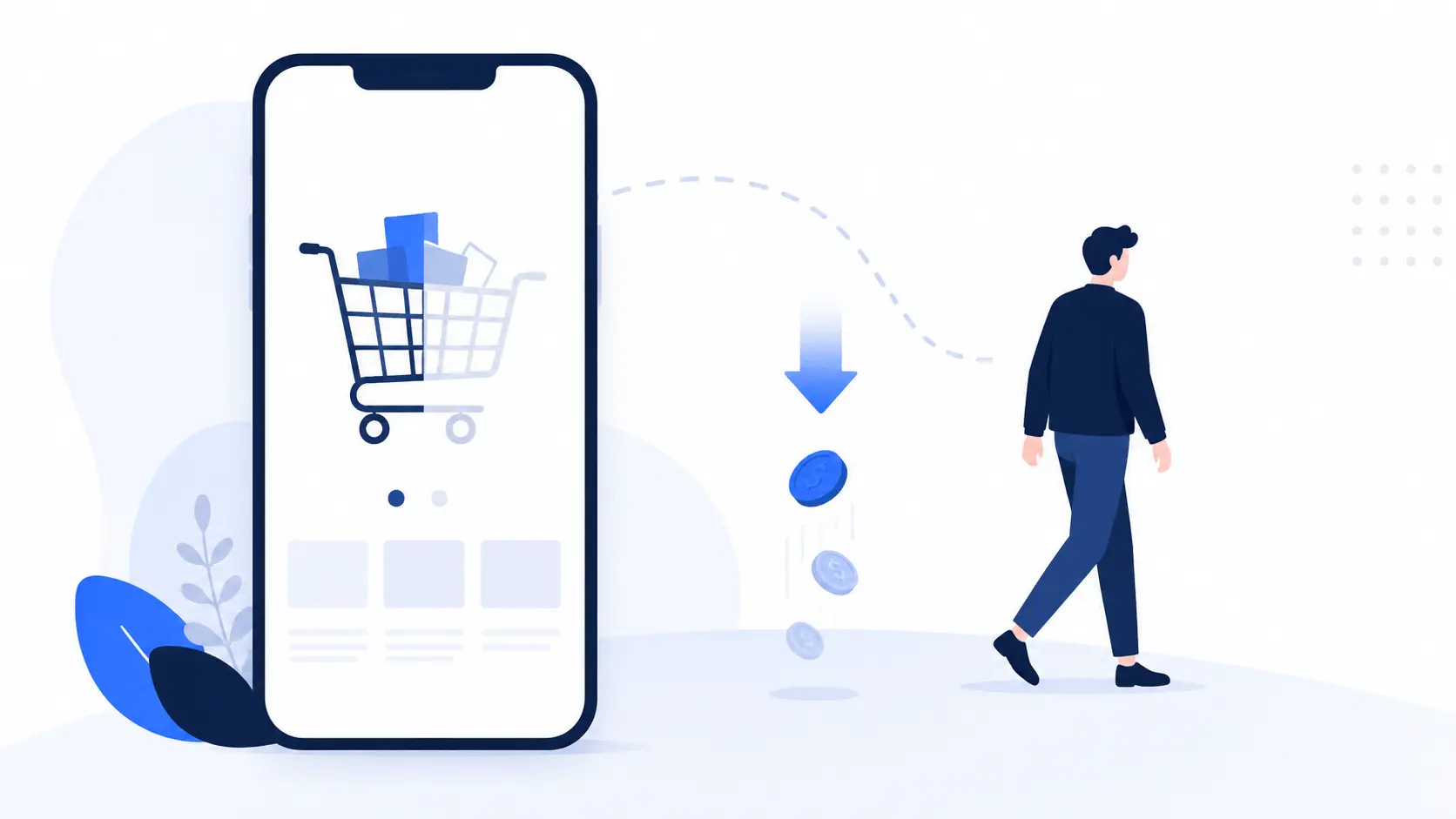
The True Cost of Cart Abandonment
It helps to see what this leak really costs you. Every abandoned cart is traffic you already paid to earn. Ads, content, and SEO all cost real money upfront. When 70% of carts vanish, most of that spend is wasted. Recovering even a slice of it is pure, high-margin profit.
The scale is bigger than most merchants ever expect. A store doing $500K a year loses over $1M in carts. That is not a typo; abandonment often exceeds completed sales. But not every cart is truly lost revenue forever. Some shoppers were only browsing, and that is perfectly normal.
This is why reducing abandonment beats chasing more traffic. New visitors cost money, but recovered carts are nearly free. A small drop in your abandonment rate lifts profit fast. You already earned the interest; you just need to keep it. That makes this work some of the highest-return effort available.
The Shopify Cart Abandonment Rate Formula
To fix the leak, first measure it clearly and honestly. The Shopify cart abandonment rate formula is refreshingly simple. Divide completed purchases by carts created, then subtract from one. Multiply that result by 100 to get a percentage.
Here is the formula in plain words:
Cart abandonment rate = (1 − completed purchases ÷ carts created) × 100.
Say 1,000 shoppers created carts and 300 completed a purchase. Your rate is (1 − 300 ÷ 1,000) × 100, which equals 70%. Track this over time, not just once, to spot real trends. Also split checkout drop-off from cart drop-off for sharper insight. Separate numbers make the true problem far easier to diagnose.
Why Shoppers Abandon Carts on Shopify
You cannot fix a problem you do not truly understand. Most abandonment traces back to a few common, fixable reasons. Baymard’s research shows extra costs are the single top cause. About 39% of shoppers leave over surprise shipping, taxes, or fees. Unexpected costs simply break the trust built earlier in the visit.
Other reasons are just as preventable with small changes. 2026 checkout research shows 23% abandon over slow delivery options. Around 26% leave because the store forced them to create an account. Complex checkouts, missing payment methods, and payment failures add more losses. Each reason is a separate leak you can find and seal.
Mobile makes every one of these problems noticeably worse. Mobile cart abandonment runs near 85%, far above desktop rates. Small screens magnify friction, cost surprises, and slow pages. Most of your traffic is mobile, so most losses happen there. Fixing mobile checkout is one of the highest-impact moves available.
Remember that not every abandoned cart is a real failure. Some shoppers are only comparing prices or saving ideas. That kind of browsing is normal and cannot be stopped. Focus your energy on the preventable, high-intent exits instead. Those are the carts that clear fixes can truly recover.
Find Your Store’s Real Leak First
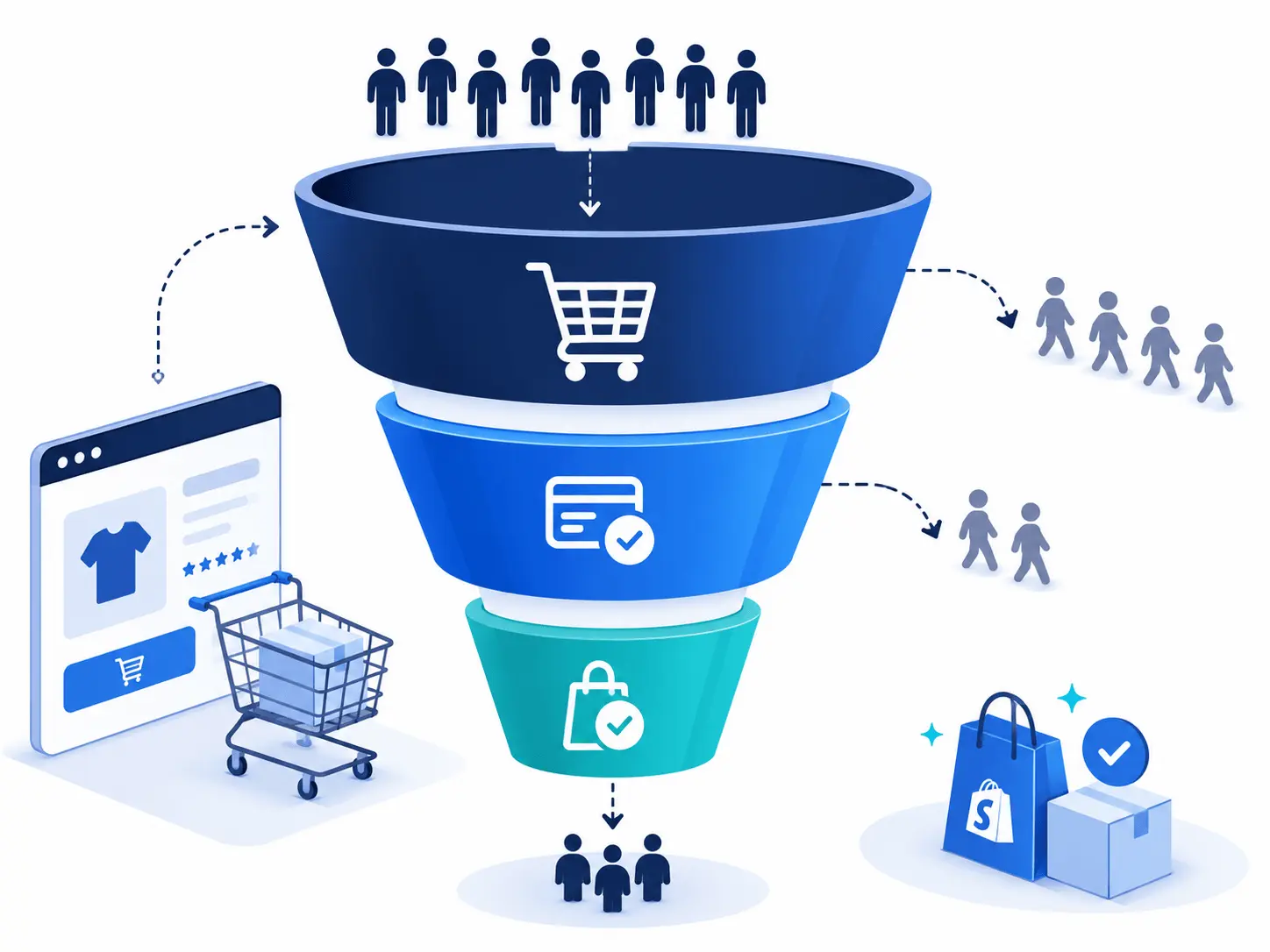
Before changing anything, find where your shoppers actually leave. Guessing wastes time and can even make things worse. Shopify’s conversion funnel shows three key stages very clearly. It tracks carts created, checkouts reached, and checkouts completed. The biggest drop between stages reveals your main leak.
Segment the data to find hidden problems too. Compare mobile against desktop, and new against returning shoppers. Check different countries, since payment and shipping issues vary widely. Open a few abandoned checkouts to inspect failed payments. This quick diagnosis tells you exactly what to fix first.
Here is a quick example of reading your own funnel. Say many add to cart, but few reach checkout. That points to the cart page, shipping doubt, or price. But if many reach checkout and still leave, look closer. Then payment, forms, or surprise costs are the likely culprits.
How to Reduce Abandoned Carts on Shopify: Prevention
The first half of the job is always prevention. This means removing the reasons shoppers leave in the first place. Here is how to reduce abandoned carts on Shopify at the source. Each fix below seals a common, costly leak. Start with the ones your diagnosis flagged as biggest.
Show All Costs Early
Surprise costs at checkout are the number one deal-breaker. Show shipping, taxes, and fees well before the final step. A free-shipping progress bar can help, if it stays honest. Display any threshold clearly, like “Add $20 for free shipping.” Early honesty about price builds trust and keeps carts alive.
Set Clear Delivery Expectations
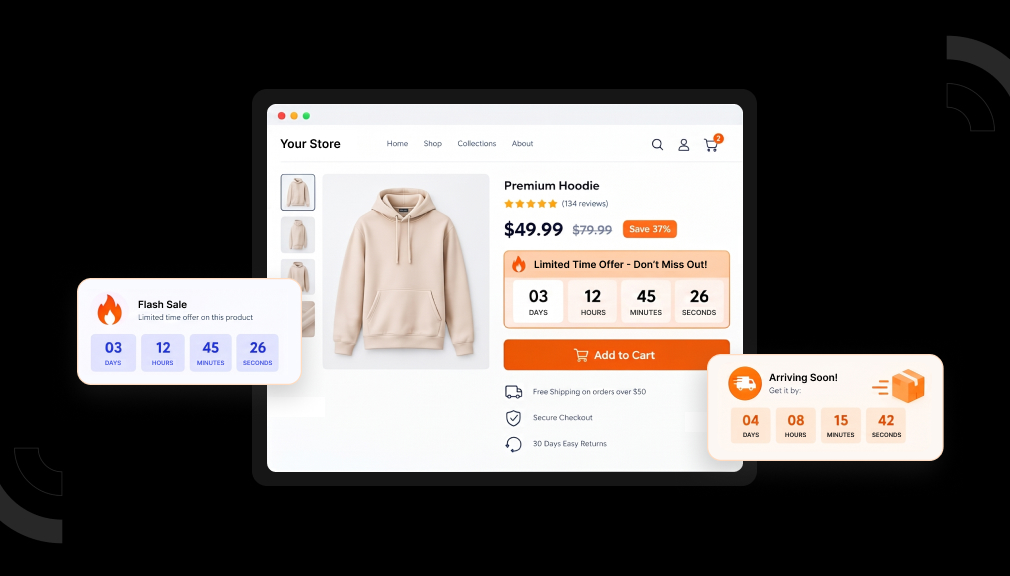
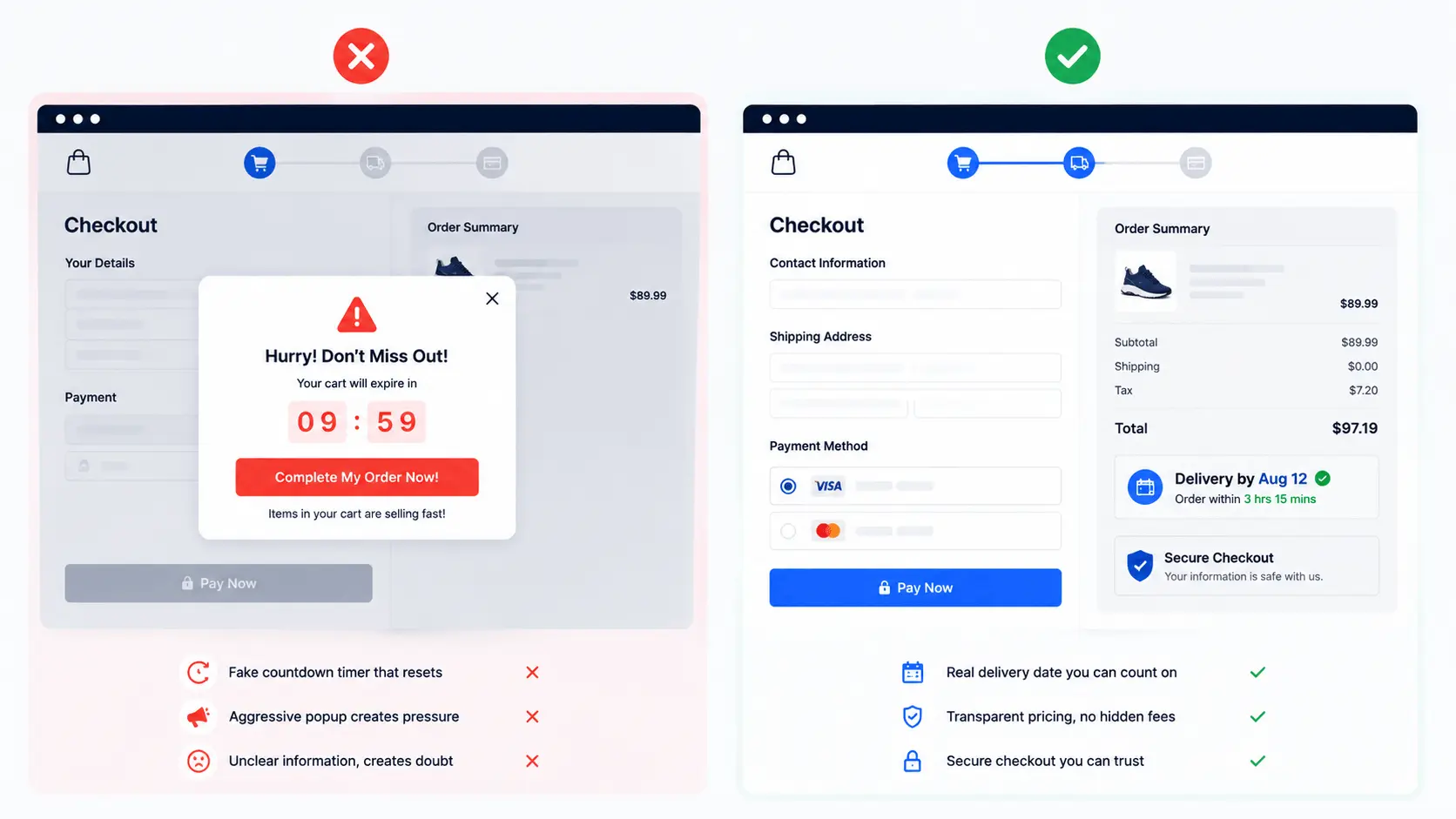
Delivery doubt quietly kills carts more than merchants realize. Shoppers often abandon simply because the arrival date feels unclear. Narvar’s 2025 shopper survey found 40% will not buy without a clear date. So tell shoppers exactly when their order will arrive, early. Show a delivery date on product and cart pages, not just checkout.
A clear date like “Arrives by Aug 12” removes a big worry. It also cuts “Where is my order?” tickets after the sale. The Estimated Delivery Date – ETA app by SetuBridge adds these dates without code. You set cutoff times, holidays, and per-product rules in minutes. Real-world Shopify tests tie honest dates to 12–25% higher conversion.
Offer Guest Checkout
Forcing account creation adds friction at the worst possible moment. Many shoppers abandon rather than fill another long form. Let people buy as guests with just an email. You can invite them to create an account after paying. Guest checkout removes a barrier that quietly costs real sales.
Keep Checkout Short and Clear
Every extra field gives shoppers a reason to quit. Remove any question that is not truly necessary. Use clear labels, autofill, and inline error messages. Show a progress indicator so the finish feels close. A calm, simple checkout keeps momentum moving toward payment.
Offer the Payment Methods They Trust
Shoppers leave when they cannot pay their preferred way. Offer cards, Shop Pay, PayPal, and popular digital wallets. Add local methods and buy-now-pay-later where they fit. Cash on delivery also helps in some regions. The right options remove a final, avoidable roadblock.
Fix Your Mobile Checkout
Test the full journey on a real phone, not just desktop. Check button size, page speed, and wallet payments carefully. Make sure popups never cover the checkout button. Confirm discount fields and address autofill work smoothly. A smooth mobile checkout recovers a huge share of lost sales.
Build Trust With Real Signals
Shoppers abandon when a store feels risky or unclear. Show real reviews, clear policies, and secure-checkout cues. Make returns and shipping terms easy to find quickly. Skip fake badges; genuine clarity builds far more trust. Confidence at checkout turns hesitation into a completed order.
Answer Questions Instantly
A single unanswered question can end a sale fast. Add live chat or a smart chatbot near checkout. Shoppers then get instant answers about sizing, shipping, or returns. That quick reassurance keeps them moving toward payment. Fast help removes doubt at the exact deciding moment.
Use Exit-Intent Offers Carefully
An exit-intent popup can catch a leaving shopper. It appears only as the cursor heads for the exit. Offer real help, like free shipping or a quick answer. Keep it gentle, and never block the cart itself. Used sparingly, it saves sales without annoying everyone.
How to Recover the Carts You Still Lose
Even a great store will still lose some carts. The second half of the job is recovery. Here you bring back shoppers who left with real intent. A good cart abandonment Shopify app makes this almost automatic. It sends timely reminders across email, SMS, and more.
Timing and message quality decide your recovery rate. Send a gentle first reminder within a few hours. Follow up over the next day or two, not weeks later. Show the exact items left behind, with a one-click return link. A short, well-timed series wins back many hesitant shoppers.
Personalize each message so it feels human, not robotic. Use the shopper’s name and the products they viewed. Add a helpful line about delivery, returns, or support. Keep one clear call to action per message. Relevance, not volume, is what wins these shoppers back.
Do not forget the shoppers you cannot email either. Retargeting ads can reach anonymous visitors who left no details. Use them to remind, not to chase people endlessly. Pair ads with your on-site fixes for the best result. Recovery works best when prevention has already done its job.
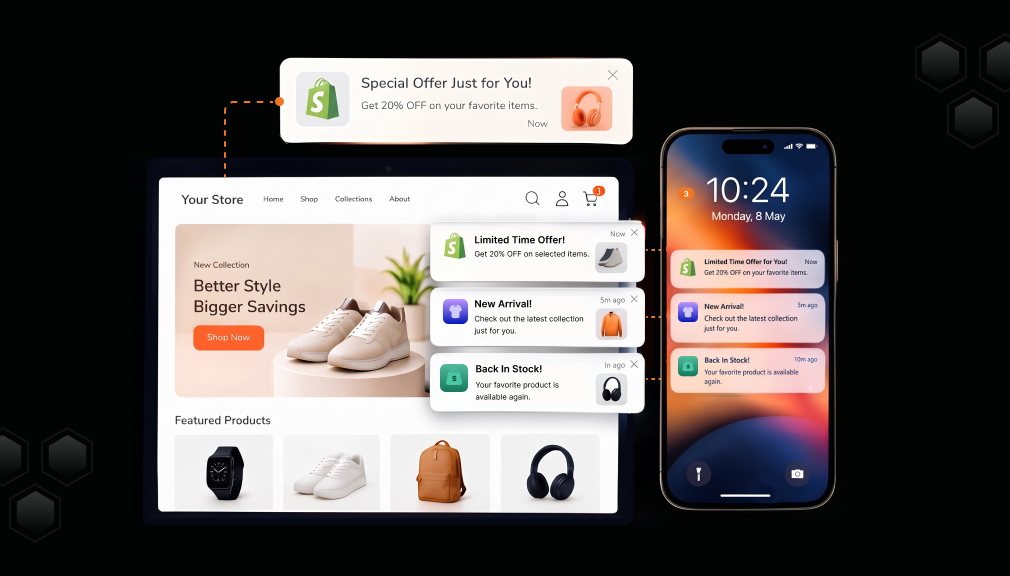
Different channels suit different shoppers and different moments. Email is the workhorse, cheap and easy to personalize. SMS and WhatsApp feel urgent, so use them sparingly. Push notifications catch mobile shoppers while intent is fresh. Match the channel to the shopper, not to a trend.
Which Cart Abandonment Shopify App Do You Need?
The right app depends on the leak you actually found. There is no single cart abandonment Shopify app for everything. Instead, match the tool to the specific job at hand. Here are the main categories worth knowing about:
- Recovery apps that send email, SMS, and push reminders.
- Delivery-date apps that set clear arrival expectations early.
- Checkout and upsell apps that smooth the final steps.
- Analytics apps that reveal exactly where shoppers drop off.
Start with the category that fixes your biggest leak. Avoid stacking many apps that do the same job. Overlapping tools clash, slow your store, and confuse shoppers. One well-chosen app per job keeps everything clean. Match each app to a real problem, not to hype.
Use Discounts Wisely, Not Every Time
Discounts are tempting, but they are not a cure-all. A discount helps most when price is the real objection. Leading with coupons every time trains shoppers to wait. It also quietly eats into your hard-earned profit margin. Try a plain reminder first, before you offer any money off.
When you do discount, aim it carefully and sparingly. Offer free shipping when shipping cost is the real blocker. Reserve codes for first-time buyers or high-value carts. Always set clear limits, expiry, and combination rules. Smart, selective discounts protect both your sales and profit.
Avoid These Trust-Killing Mistakes
Some popular tactics backfire and quietly destroy trust. Steer clear of these common, tempting mistakes:
- Fake urgency, like timers that reset on every refresh.
- Popups that cover the cart on every single page.
- Discounting so often that full price feels foolish.
- Installing many recovery apps that send clashing messages.
- Judging success by email opens, not recovered revenue.
Each mistake trades a tiny short-term gain for lasting damage. Shoppers today spot manipulation quickly and remember it well. Honest clarity beats clever pressure over the long run. Build a store people trust, and carts recover more easily. Trust is the quiet engine behind every completed sale.
Let AI Do the Heavy Lifting
Modern tools make all of this far easier now. AI can spot at-risk shoppers before they even leave. It can personalize reminders and time them for each person. A 2026 cart-abandonment analysis ties predictive AI to about 18% fewer exits. Good AI-driven flows also recover a healthy share of lost carts.
AI helps on the prevention side too, not just recovery. Chatbots answer checkout questions instantly, at any hour. Smart search and recommendations reduce frustration before the cart. Used well, AI removes friction and rebuilds buying momentum. It is a force multiplier for every tactic in this guide.
Your Cart Abandonment Action Plan
Do not try to fix absolutely everything at once. A simple, ordered plan works far better in practice. Follow these steps to reduce Shopify cart abandonment steadily:
- Diagnose your funnel to find the biggest leak.
- Fix that one leak fully before moving on.
- Set clear costs and delivery dates early.
- Turn on smart recovery emails and SMS.
- Measure the results, then repeat the cycle.
Small, focused changes beat a giant, messy overhaul. Fix one real problem, measure it, then tackle the next. This steady rhythm compounds into major gains over time. Your abandonment rate drops as each leak gets sealed. Progress, not perfection, is the realistic goal here.
Measure What Actually Matters
Not every metric deserves your attention equally here. Email opens and clicks look nice but hide the truth. Track recovered orders, recovered revenue, and profit margin instead. A campaign that only wins through deep discounts is fragile. Real success means more completed sales at a healthy margin.
Watch your funnel numbers month over month too. Compare completed checkouts before and after each fix. Note whether support tickets about delivery are falling. These signals prove your changes are truly working. Honest measurement keeps your whole strategy firmly on track.
Set one clear target and review it each month. Aim to trim your abandonment rate a few points at a time. Celebrate each drop, since it means real recovered revenue. Then choose the next leak and repeat the process. Steady, measured progress compounds into serious long-term growth.
Final Thoughts
That “so close” feeling does not have to be permanent. Shopify cart abandonment is a leak you can find and seal. Start by measuring where and why your shoppers leave. Then fix the biggest problems and recover the rest with care. Clear costs, honest delivery dates, and smart timing do the work.
You do not need every tactic at once to win here. Pick your biggest leak and fix it this week. Add clear delivery expectations and a simple recovery flow. Keep trust at the center of every single choice. Do that, and more carts will quietly become orders.
Frequently Asked Questions
What is a good cart abandonment rate for a Shopify store?
Anything below 67% is considered strong for Shopify specifically, since the platform’s native checkout already performs slightly better than the broader ecommerce average of around 70%. Rather than chasing a universal “good” number, compare your rate to your own product category, since beauty and fashion naturally run higher than grocery or pet care.
Why is mobile cart abandonment higher than desktop?
Mobile checkout involves smaller screens, slower form-filling, and more distractions during the session. Shoppers are more likely to be interrupted or give up on a clunky mobile form than they are on desktop, which is why mobile abandonment often runs 10–15 percentage points higher.
Does showing delivery dates actually reduce abandonment?
Yes, particularly for time-sensitive or gift purchases. When shoppers can’t tell whether an order will arrive in time, they’re more likely to hesitate or leave before completing checkout. Displaying a clear estimated delivery date on the product page and at checkout removes that uncertainty early in the journey.
How do I calculate my store’s cart abandonment rate?
Use the formula: (Abandoned Carts ÷ Total Carts Created) × 100. You can find both numbers in Shopify under Analytics → Reports → Behavior, or in the Abandoned Checkouts report under Orders.
What’s the most effective way to recover abandoned carts?
Automated email sequences remain the highest-performing recovery channel by revenue per message, typically sent in a series across the first hour, 24 hours, and 72 hours after abandonment. SMS and retargeting ads work well as secondary channels alongside email.

Digital Marketing Head
Vijay Chavda is the Digital Marketing Head at SetuBridge Technolabs with 14 years of expertise in driving growth strategies. Beyond marketing, he is skilled in data analysis, leveraging Power BI and Tableau to turn insights into action, blending creativity with analytics for impactful business results.