





It is 9 a.m., and your support inbox is already overflowing. Dozens of new messages arrive, and most ask one thing. “Where is my order?” repeats down the screen, again and again. Behind each message sits a worried customer and a tired team. That daily flood has a name, and it quietly drains your store.
These are WISMO tickets, and they pile up faster than you clear them. The obvious fix seems to be hiring more support staff. But that path is slow, costly, and treats the symptom only. You can reduce WISMO tickets without adding a single new hire. This guide shows you exactly how to do that.
Key Takeaways
- WISMO means “Where is my order?”, the top e-commerce support question.
- WISMO tickets make up 30–40% of e-commerce support volume.
- You can reduce WISMO tickets without hiring more support staff.
- Show an estimated delivery date on product pages to prevent tickets.
- Proactive updates and self-service must be clear to deflect questions.
- AI now resolves most routine status questions automatically.
- Fix delivery root causes to reduce delivery tickets for good.
What Are WISMO Tickets, and Why Do They Pile Up?
WISMO stands for “Where Is My Order?”, the most common support question online. It covers every message about order status, shipping, and delivery timing. These tickets are not really about curiosity; they are about anxiety. A shopper who feels unsure reaches out to ease that worry. Understanding that root cause is the first step to fewer tickets.
WISMO tickets pile up whenever the delivery journey feels unclear. Maybe the date was vague, or the tracking went silent. The customer fills that silence with doubt, then an email. According to Zendesk’s customer experience research, WISMO makes up 30–40% of e-commerce support volume. So this one question quietly dominates most support queues.
Notice that almost every WISMO ticket shares one root cause. The shopper simply lacks clear information about their order. They cannot see when it will arrive, so they ask. Fill that information gap, and the ticket disappears completely. This simple insight guides every fix in this guide.
What Is Reducing WISMO Tickets and Support Costs?
So what is reducing WISMO tickets and support costs, in plain terms? It means stopping these questions before they ever reach your team. You do this by answering “where is my order?” in advance. Clear dates and proactive updates remove the reason to ask. Fewer tickets then mean lower support costs and happier buyers.
The savings here are real and easy to see. Each ticket costs staff time, tools, and energy every day. Cut the volume, and you cut that cost directly. You also protect your team from burnout and endless repetition. Reducing WISMO tickets and support costs is simply smart business.
The Real Cost of WISMO Tickets
WISMO is not a small side issue; it is often the main queue. Each ticket quietly consumes staff time you cannot get back. During peak seasons, that share can climb even higher. So the cost grows exactly when your team is busiest. Reducing that volume frees both time and money fast.
The hidden costs run deeper than the support bill alone. Anxious shoppers who wait often lose trust in your brand. Some never buy again after a confusing delivery experience. Others leave a harsh review that scares off new buyers. So each WISMO ticket can quietly cost you future sales too.
There is a morale cost hiding in this too. Answering the same question all day drains your team. Repetitive tickets lead to boredom, burnout, and staff turnover. Cutting WISMO volume keeps your agents motivated and sharp. A calmer queue makes for a happier, steadier team.
Why the Answer Isn’t More Staff
Hiring more agents feels like the natural response to the flood. But more staff only helps you answer tickets a bit faster. It does nothing to stop the tickets from arriving at all. You pay more every month to manage a preventable problem. The smarter move is to prevent WISMO, not just react.
Prevention and automation scale far better than headcount does. Set clear expectations early, then keep customers informed automatically. Most WISMO questions answer themselves when the journey feels transparent. This is the heart of real Shopify support ticket reduction. It lowers volume without adding a single new salary.
Consider the simple math behind this choice too. A new support hire costs thousands of dollars every single month. Prevention tools often cost only a small fraction of that. They also work around the clock without any breaks. The return on prevention is very hard for hiring to beat.
How to Reduce “Where Is My Order?” Tickets: Prevention First
The best ticket is the one that never gets created. So the first step to reducing WISMO tickets is prevention. Answer the delivery question before the shopper even buys. When expectations are clear upfront, doubt never becomes an email. Here is how to reduce “where is my order?” tickets at the source.
Show an Estimated Delivery Date on Product Pages
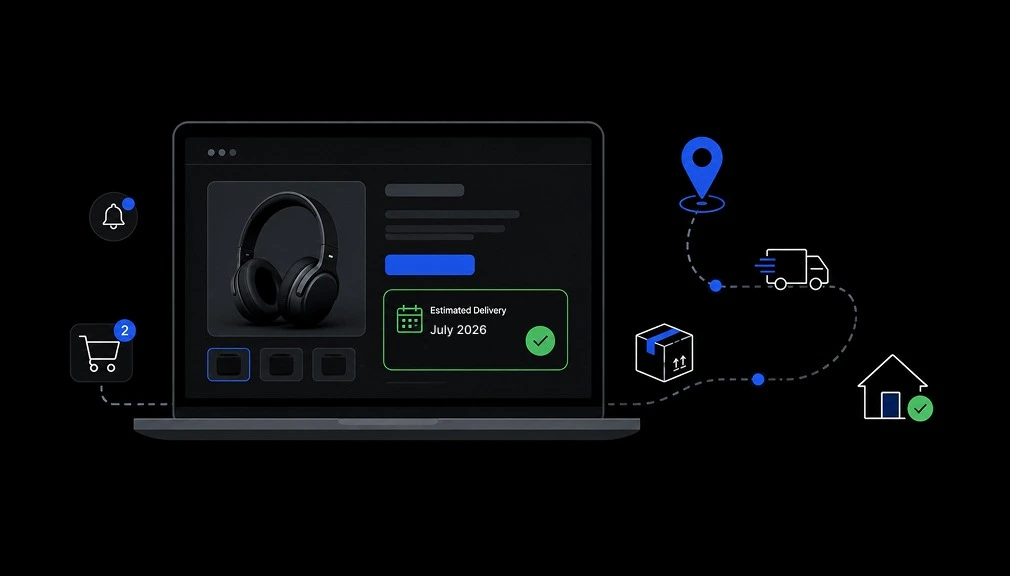
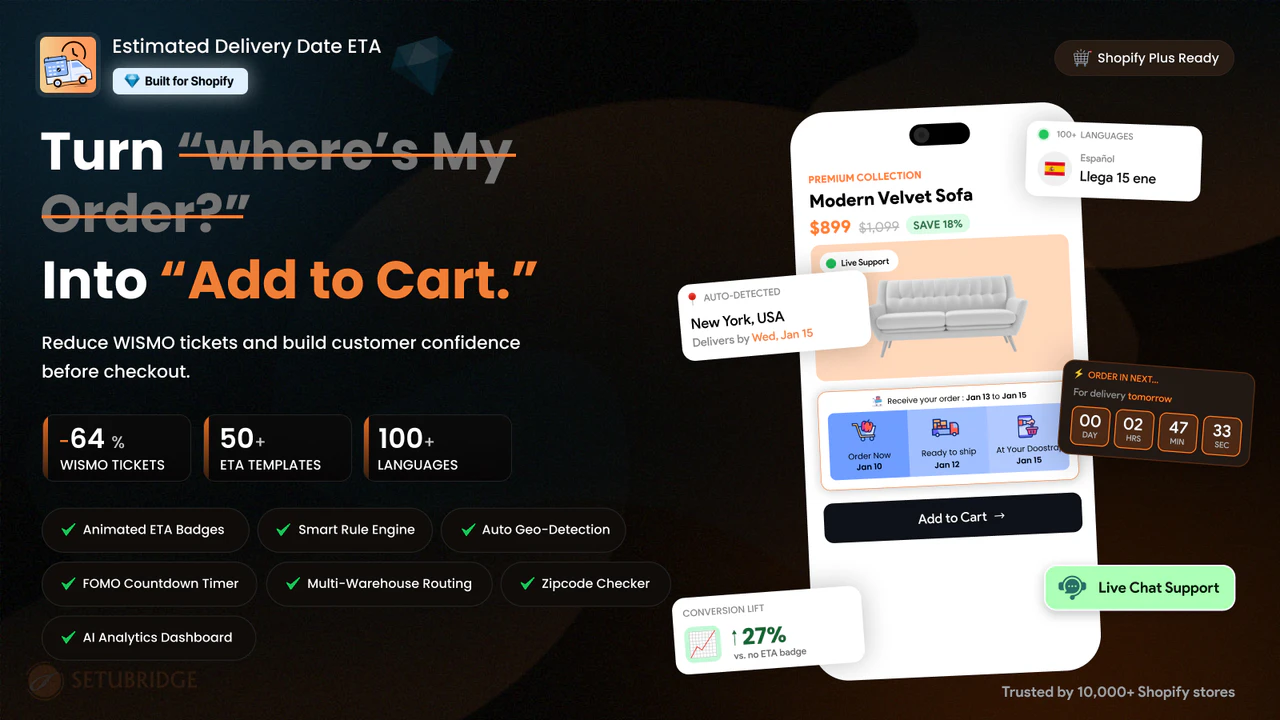
Most WISMO starts with a vague promise made before checkout. Showing a clear delivery date on the product page fixes that early. A shopper who sees “Arrives by Aug 12” rarely emails to ask. That single date sets an honest expectation from the first click. The Estimated Delivery Date – ETA app by SetuBridge adds these dates without any code. It shows an accurate date on product, cart, and checkout pages. You set prep time, cut-off, and holidays once, and it updates automatically. This upstream clarity prevents a large share of order-status tickets. It is a simple, high-impact way to reduce shipping support tickets.
Set Expectations Again at Checkout
Repeat the delivery date at checkout, where the decision is final. A consistent date there confirms the product page promise. Shoppers leave checkout knowing exactly when to expect delivery. That clarity quietly removes another reason to contact you later. Consistency across pages builds trust and cuts questions.
Publish a Clear Shipping Policy
Put shipping times, cut-offs, and holidays where shoppers can find them. A clear policy page answers many questions before they arise. Link it from your product pages, the cart, and the footer. Easy answers mean fewer emails landing in your busy inbox. Prevention like this is far cheaper than any reply.
Send a Clear Order Confirmation
A strong order confirmation quietly prevents early WISMO tickets. Restate the delivery date clearly in that first email. Include the items, the address, and what happens next. A confident confirmation reassures the shopper right away. That reassurance stops the “did it go through?” email.
Show a Cut-Off Countdown
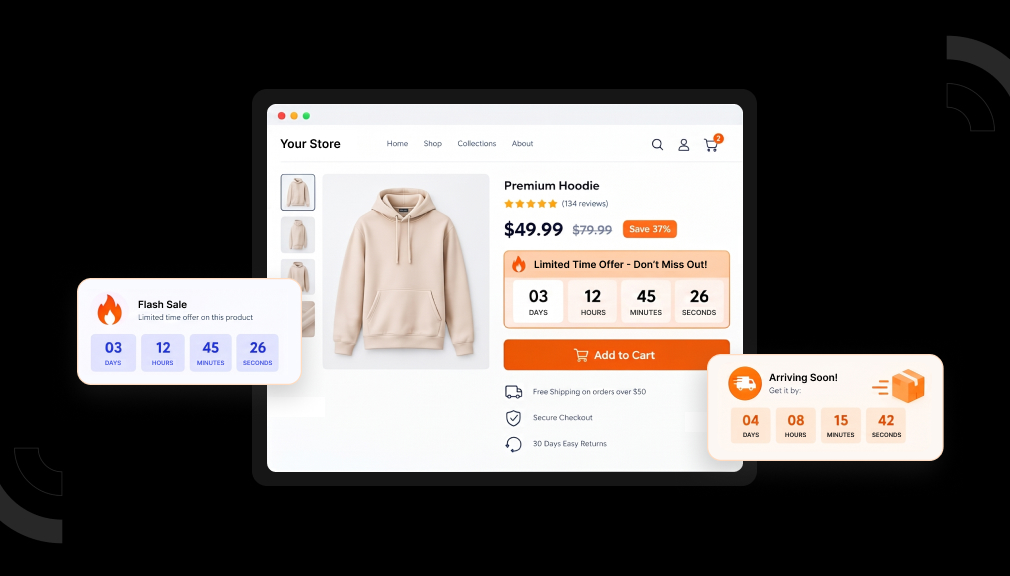
A gentle cut-off line adds clarity and honest urgency. “Order within 3 hours for delivery by Friday” is powerful. It tells shoppers exactly when their order will ship. That precision removes doubt about timing from the start. Clear cut-offs mean fewer “when will it ship?” questions.
Which Post-Purchase Services Help Reduce WISMO Tickets?
So which post-purchase services help reduce WISMO (“where is my order?”) tickets? After the sale, a few tools quietly deflect most questions. Each one answers the shopper before they even need to ask. Together, they form your post-purchase safety net. Here are the ones that matter most:
- Proactive shipping notifications at each key milestone.
- A branded, self-service order tracking page.
- A simple “track my order” link in your store.
- An AI chatbot that answers status questions instantly.
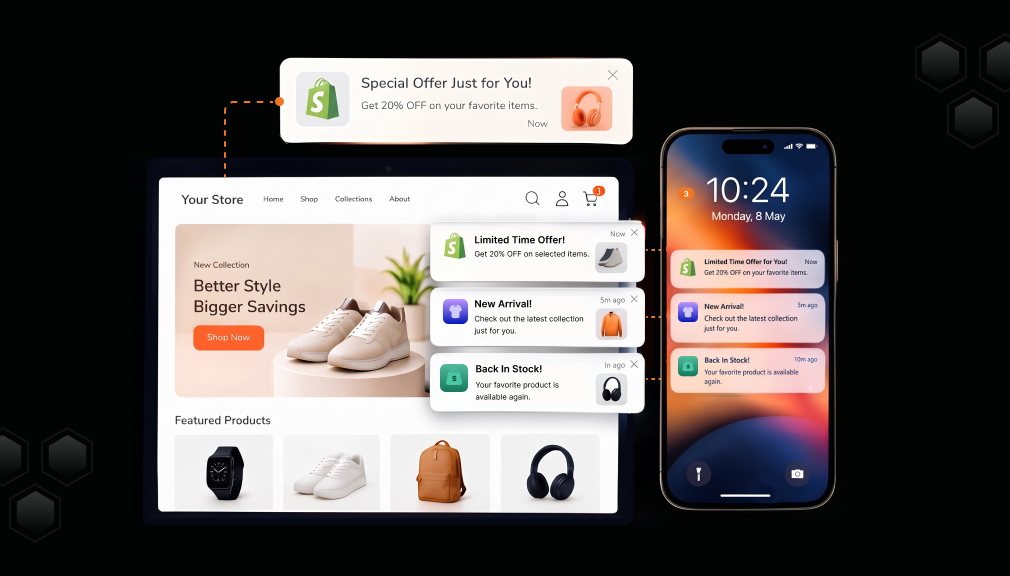
Proactive updates are powerful, but they must be done right. Gartner research shows proactive outreach can improve the customer experience. Yet incomplete updates can actually drive more contacts, not fewer. So each message must be clear, complete, and reassuring. A vague “your order shipped” with no date invites a reply.
Self-service tracking also needs careful design to truly work. Gartner found that only 14% of issues are fully resolved in self-service. A confusing tracking page sends shoppers straight to email. So make your tracking clear, branded, and genuinely helpful. Good self-service is what makes these post-purchase services deflect tickets.
A branded tracking page deserves special attention here. It shows clear status in your own store’s style. Shoppers check it themselves instead of emailing your team. It also brings them back to your store for more shopping. A good tracking page is a quiet, tireless support agent.
Let AI Handle the Routine Questions
AI is now the biggest lever for Shopify support ticket reduction. It answers “where is my order?” at any hour, in seconds. It pulls the tracking data and replies without a human. This handles routine questions without adding a single hire. Your team then focuses on complex, higher-value cases instead.
The scale of this shift is genuinely striking. Gartner predicts agentic AI will resolve 80% of common service issues by 2029. AI-handled tickets also cost a fraction of human ones. So AI cuts both volume and cost at the same time. Used well, it is a real force multiplier for small teams.
AI does more than cut costs and volume, though. It frees your human agents for the tricky, emotional cases. A lost gift or a damaged item needs real empathy. Machines handle the routine, and people handle the rest. That balance lifts both efficiency and customer satisfaction together.
A Real Example: Before and After
Picture a store shipping 3,000 orders every single month. Nearly 40% of its tickets are anxious WISMO questions. The team feels buried, so the owner considers a new hire. Instead, she adds delivery dates and proactive shipping updates. Within weeks, the WISMO flood starts to slow noticeably.
Shoppers now see a clear date before they ever buy. They also get updates as the order ships and moves along. Fewer of them feel the need to email and ask. The same small team suddenly has room to breathe again. No new hire was needed, only clearer communication throughout.
How Do Stores Reduce Delivery Tickets at the Root?
So how do stores reduce delivery tickets for good, not just deflect them? They fix the delivery problems that create the questions. Fewer late or failed deliveries mean fewer worried emails. Root-cause fixes are the deepest form of ticket reduction. Here are the big ones to focus on:
- Validate addresses at checkout to prevent failed deliveries.
- Flag delays early, before the customer even notices.
- Choose reliable carriers and set honest delivery windows.
A late package hurts more than just your support inbox. Baymard Institute research shows slow, unclear delivery drives shoppers away entirely. So reliable delivery protects both your inbox and your sales. Delivery date selection tools and clear ETAs prevent the mismatch that creates WISMO tickets. Fixing the root cause is how stores reduce delivery tickets lastingly.
Delivery exceptions are a top hidden source of WISMO. A wrong address or a missed handoff sparks instant worry. Catching these early stops the ticket before it forms. Many tools now flag exceptions automatically for your team. Solving them fast keeps your inbox and your buyers calm.
Which Stores Feel WISMO Pain the Most?
Almost every store faces WISMO, but some feel it harder. The pain grows with volume, distance, and delivery complexity. These store types usually see the most WISMO tickets:
- High-volume stores shipping thousands of orders monthly.
- Cross-border sellers with long, uncertain transit times.
- Made-to-order brands with longer preparation windows.
- Stores using many carriers with mixed reliability.
For these stores, prevention matters even more than usual. Clear dates and proactive updates carry the heaviest load. The busier your shipping, the bigger your ticket savings. Start with the fixes that match your biggest pain. That focus gives you the fastest, largest relief.
Measure Your WISMO Reduction
Reducing WISMO is not a one-time project; it is ongoing. Start by counting what share of tickets are WISMO today. Then track that number as you roll out each fix above. Watch it fall as clear dates and updates reach your customers. This shows you which changes deliver the biggest wins.
Modern tools make this tracking simple and surprisingly fast. Many helpdesks tag and count ticket types for you automatically. Use that data to refine your dates, alerts, and tracking. Steady, small tweaks keep your WISMO tickets trending down. Measurement turns a quick win into a lasting one.
Set one clear target and review it every month. Aim to cut your WISMO share by a few points. Celebrate each drop, since it means calmer buyers and staff. Then push the next fix and measure its real effect. This steady rhythm turns prevention into a lasting habit.
Final Thoughts
That 9 a.m. inbox does not have to stay overflowing forever. You can reduce WISMO tickets by fixing the cause, not adding staff. Clear delivery dates, proactive updates, and AI do the heavy lifting. Each one answers a question before the customer ever asks it. Together, they turn a noisy queue into a calm inbox.
The best part is that prevention scales as your store grows. An estimated delivery date sets the tone from the very first click. Proactive alerts and smart self-service carry that clarity onward. Your team then spends time on real problems, not status checks. Set clear expectations early, and watch your WISMO tickets fade.
Frequently Asked Questions
Why do customers send WISMO tickets?
Customers send WISMO tickets because they lack clear information about their order’s shipping progress or delivery timing, not because they’re being impatient.
How can Shopify stores reduce WISMO tickets?
Shopify stores can reduce WISMO tickets by showing estimated delivery dates before checkout, sending proactive shipping updates, and offering a branded order tracking page.
Does showing estimated delivery dates reduce customer support emails?
Yes, showing estimated delivery dates reduces support emails because customers already know what to expect and don’t need to ask.
Should I hire more support staff or automate order updates?
Automating order updates is usually more effective than hiring more staff, since most WISMO tickets are preventable through better communication rather than faster responses.
Can small Shopify stores benefit from delivery estimate apps?
Yes, small Shopify stores benefit from delivery estimate apps just as much as larger stores, since even a handful of daily WISMO tickets adds up to real support time.
How do shipping notifications help customer experience?
Shipping notifications help the customer experience by keeping customers informed at every stage of delivery, which builds trust and reduces the anxiety that leads to support tickets.

Shopify Expert
Dipen Panchal, Shopify Tech Lead at Setubridge Technolabs, brings over a decade of expertise as a Shopify Expert. Passionate about e-commerce growth, he specializes in UI/UX design, crafting intuitive, engaging solutions tailored for merchants and B2B clients to enhance user experiences.